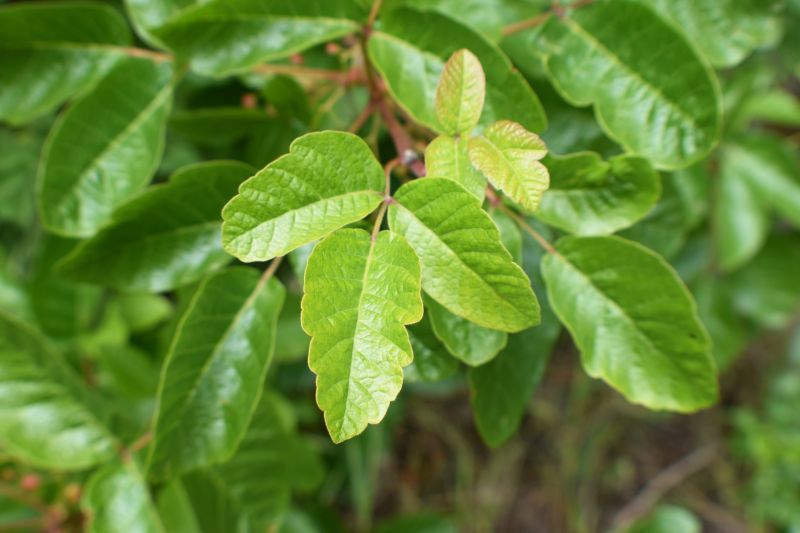
Poison Oak Removal in Burlington County, NJ
Poison oak removal services focus on safely eliminating this invasive plant from residential properties. These services are suitable for a variety of projects, including clearing overgrown areas, maintaining landscaped yards, or preparing outdoor spaces for new planting. Property owners often request poison oak removal to prevent skin irritation, protect children and pets, and improve the overall appearance and safety of outdoor environments. It’s important to understand the extent of the growth, the accessibility of the affected areas, and any specific concerns about nearby plants or structures before requesting removal services.
Before scheduling poison oak removal, property owners should assess the size and location of the affected areas to determine if professional assistance is necessary. Knowing whether the plant is in hard-to-reach spots, near fences, or close to valuable landscaping can influence the scope of the project. Additionally, understanding any local regulations or guidelines related to plant removal can help ensure the process complies with community standards. Clear communication about the property’s layout and the desired outcome can assist in planning an effective and thorough removal process.
Many property owners in Burlington County, NJ look into Poison Oak Removal for repairs, replacements, upgrades, and appearance-related improvements.
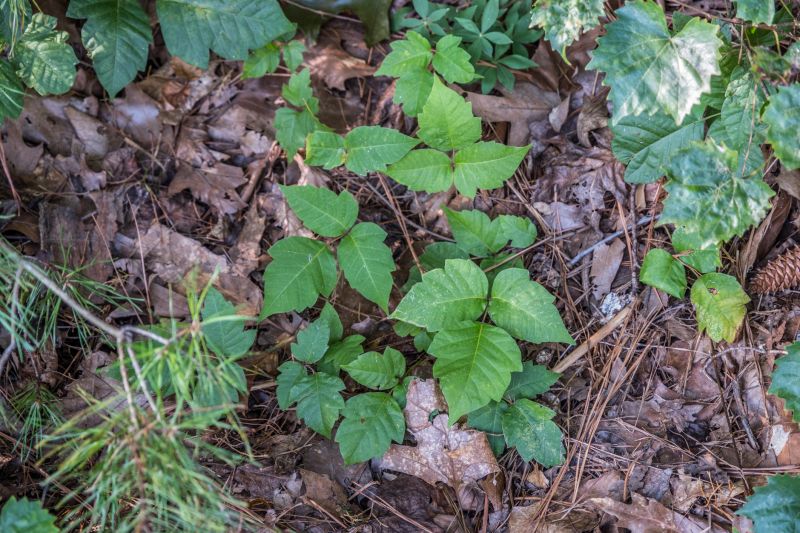
Hazardous Plant Removal
Removing poison oak helps protect families and pets from skin irritation and allergic reactions.
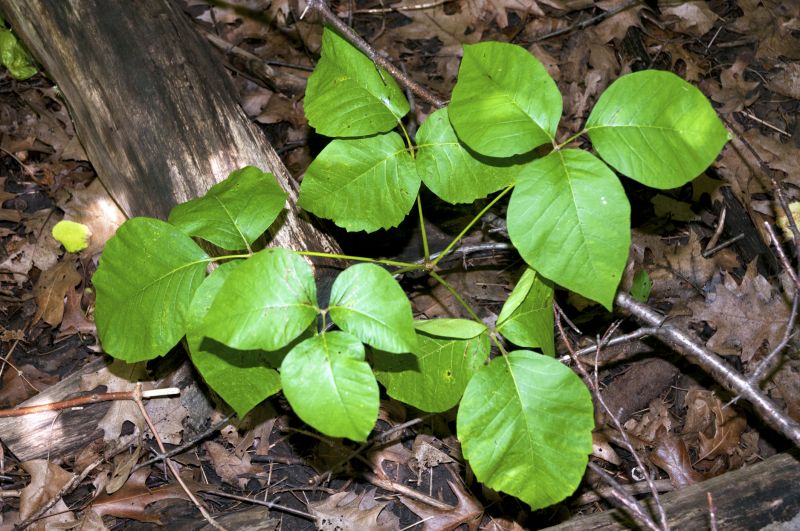
Property Safety Improvements
Clearing poison oak can make outdoor spaces safer for activities and landscaping projects.
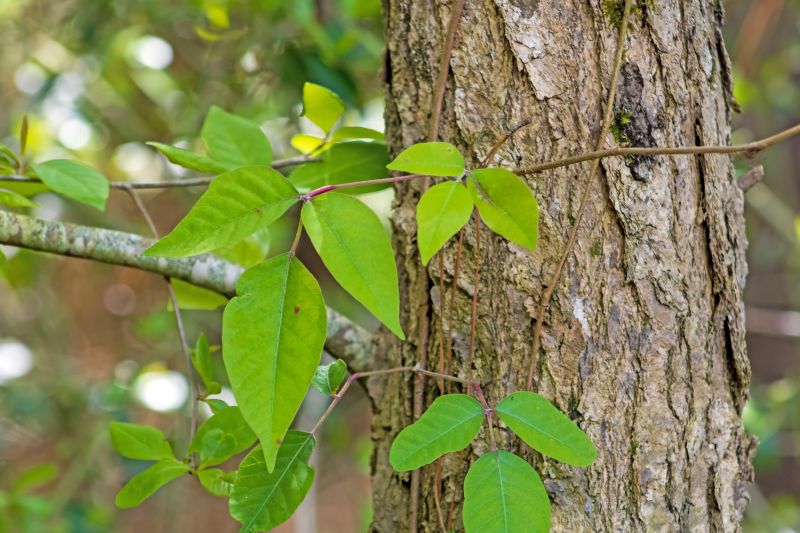
Landscape Maintenance Support
Professional removal helps maintain the health and appearance of gardens and wooded areas in burlington county.
Poison Oak Removal in Burlington County, NJ

Poison oak removal services focus on safely eliminating this invasive plant from residential properties. These services are suitable for a variety of projects, including clearing overgrown areas, maintaining landscaped yards, or preparing outdoor spaces for new planting. Property owners often request poison oak removal to prevent skin irritation, protect children and pets, and improve the overall appearance and safety of outdoor environments. It’s important to understand the extent of the growth, the accessibility of the affected areas, and any specific concerns about nearby plants or structures before requesting removal services.
Before scheduling poison oak removal, property owners should assess the size and location of the affected areas to determine if professional assistance is necessary. Knowing whether the plant is in hard-to-reach spots, near fences, or close to valuable landscaping can influence the scope of the project. Additionally, understanding any local regulations or guidelines related to plant removal can help ensure the process complies with community standards. Clear communication about the property’s layout and the desired outcome can assist in planning an effective and thorough removal process.
Many property owners in Burlington County, NJ look into Poison Oak Removal for repairs, replacements, upgrades, and appearance-related improvements.
Common Poison Oak Removal Jobs
Poison Oak Removal services eliminate hazardous plants from residential and commercial properties to ensure safety.
Land clearing involves removing poison oak from yards, gardens, and wooded areas for a safer outdoor environment.
Brush and shrub removal targets overgrown vegetation that may contain poison oak, reducing health risks.
Property clearing helps maintain clear, safe outdoor spaces by removing invasive and toxic plants.
Vegetation management includes controlling poison oak growth to prevent future encroachment.
Yard cleanup services remove poison oak and debris to improve outdoor safety and appearance.
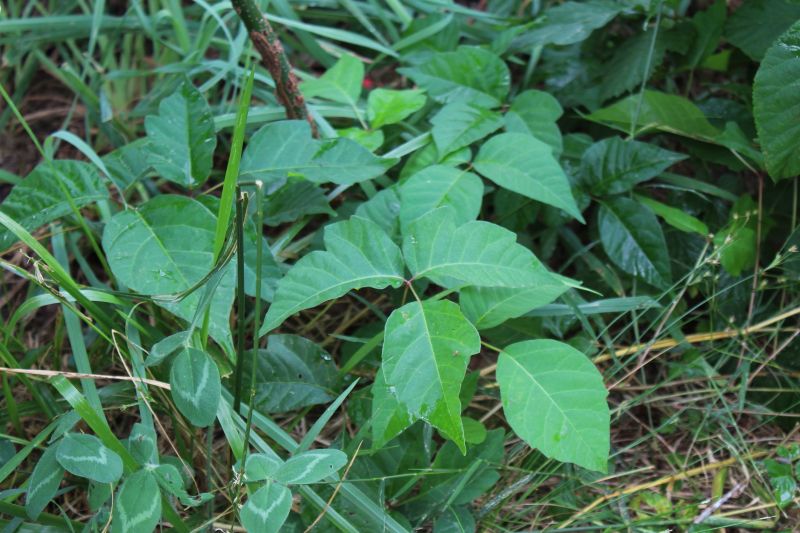
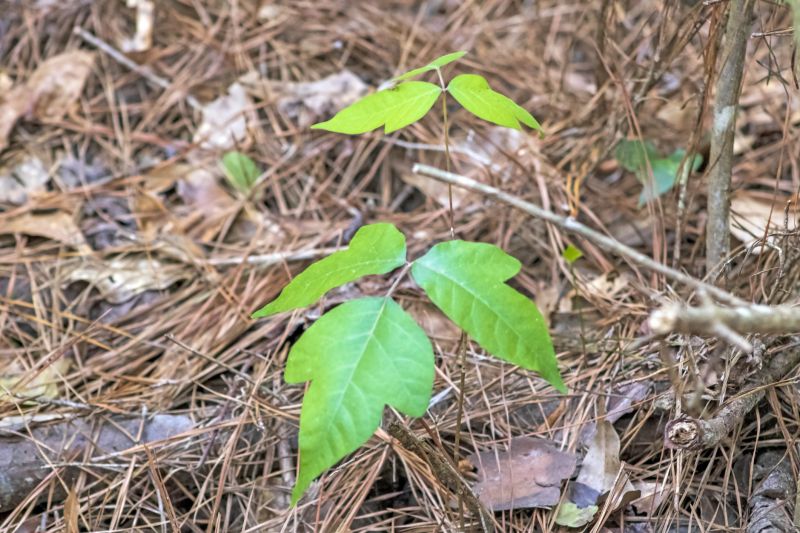
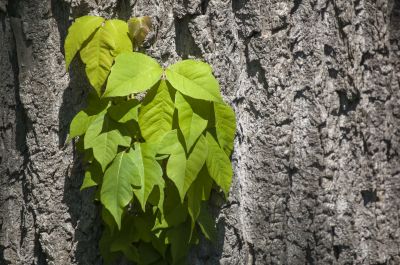
Poison Oak Removal Questions
What is poison oak removal? Poison oak removal involves safely eliminating the plant to prevent skin irritation and protect property.
When should poison oak be removed? Removal is recommended when the plant is growing in areas accessible to children or pets, or when it poses a risk to outdoor activities.
How is poison oak removed? The process typically includes careful cutting and removal of the plant, followed by proper disposal to prevent regrowth or spread.
Are there safety precautions during removal? Yes, protective clothing and equipment are used to minimize skin contact and exposure during the removal process.
Request Poison Oak Removal in Burlington County, NJ
Use the quote form on this page to share the basics of your project and request more information for the type of work you need.